
Unlock Global Freedom With the Best eSIM Data Plan for Travel
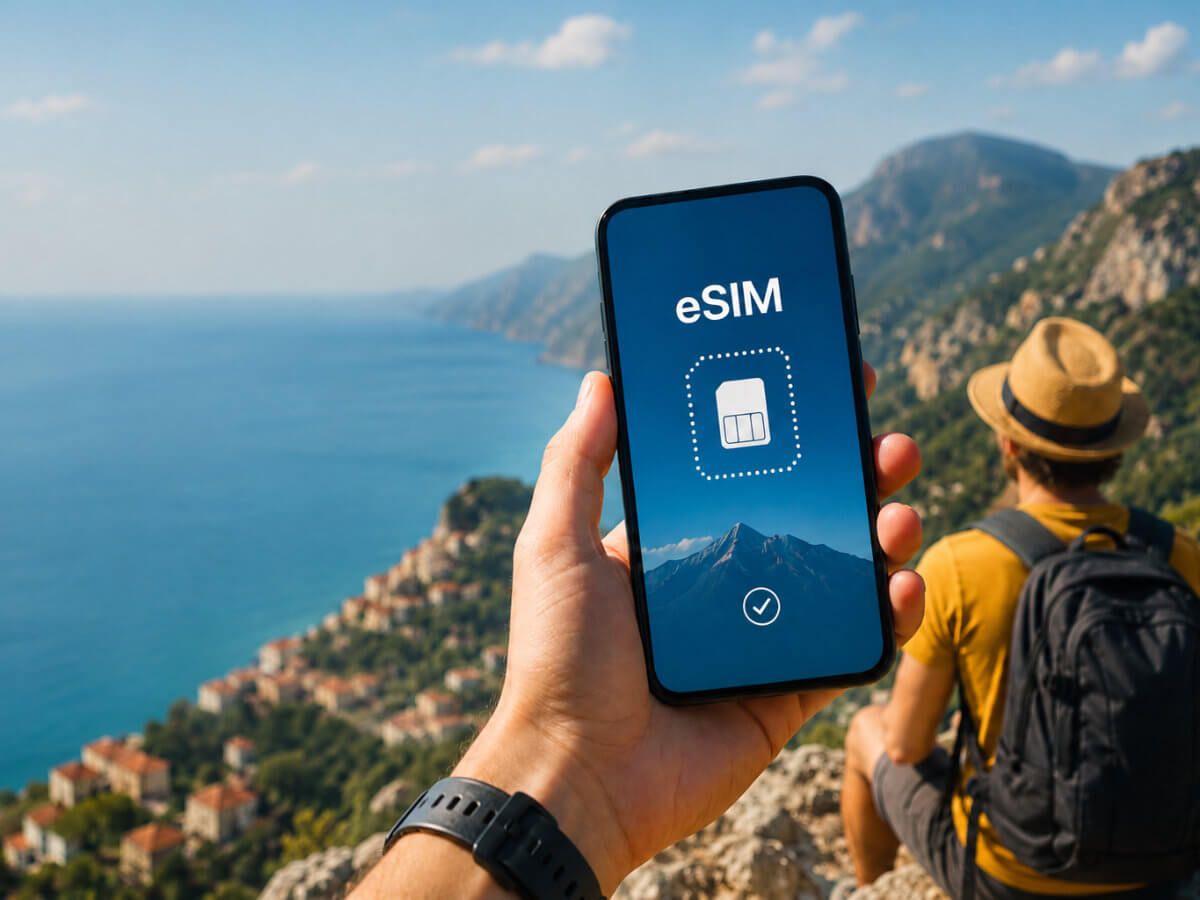
What if you could activate a data plan without ever inserting a physical SIM card? An eSIM data plan is a digital profile embedded directly into your device, allowing you to connect to a mobile network and access data without swapping plastic cards. Activation is entirely remote, typically done by scanning a QR code or downloading a carrier’s app, and you can switch between different eSIM data plans instantly within your device’s settings for seamless connectivity.
Understanding the Digital SIM Landscape
Navigating the digital SIM landscape for an esim data plan means ditching the plastic card for a digital profile you install instantly. Instead of swapping physical chips, you manage multiple data plans from different carriers directly on your device’s settings. This shifts control to you, allowing for real-time activation of local or global data bundles without hunting for a store. The landscape is purely software-driven, so your eSIM profile acts as your digital passport to various network ecosystems. Understanding this means knowing your device’s compatibility and that your chosen plan’s network profile is downloaded securely, not physically delivered.
How Embedded SIM Technology Differs from Physical Cards

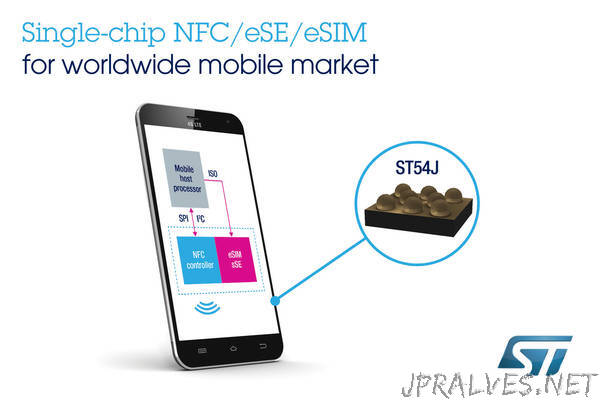
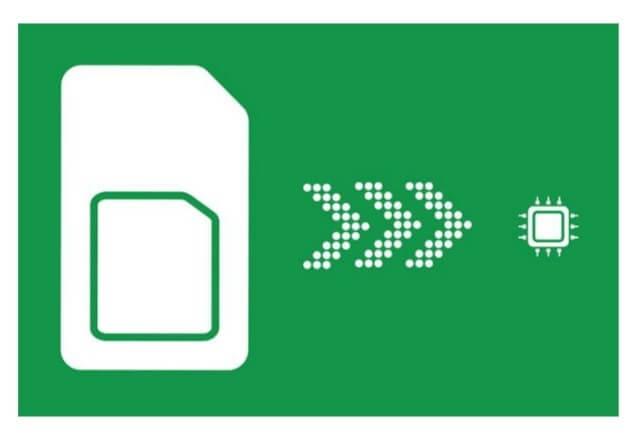
Embedded SIM (eSIM) technology differs from physical cards by being a non-removable chip soldered directly onto a device’s motherboard. Unlike a physical SIM, which requires manual insertion and swapping to change carriers, an eSIM is reprogrammable via software. This allows users to switch between eSIM data plans instantly without handling a physical card. Physical cards impose hardware constraints, such as requiring a tray and alignment, whereas eSIMs are space-efficient and resistant to damage from swapping. For data plans, this means you can activate or change a plan remotely, often in seconds. Does an eSIM offer more stable connectivity than a physical card? The underlying network connection quality remains identical, as eSIMs use the same cellular protocols; the difference is purely in form factor and activation convenience, not signal strength.
Why Travelers and Remote Workers Are Switching
Travelers and remote workers are switching to eSIM data plans to eliminate the hassle of hunting for local SIM cards or paying exorbitant roaming fees. By activating a digital plan before departure, they secure immediate connectivity upon arrival, avoiding service gaps in airports or foreign cities. For remote workers, this means seamless global connectivity across multiple destinations without juggling physical SIMs. They gain the freedom to choose region-specific data packs tailored to their itinerary, scaling data as needed. This direct, app-based management replaces outdated logistics, ensuring they remain productive and reachable from any location without interruption.
Key Factors When Choosing a Virtual Data Package
When selecting a virtual data package for your eSIM data plan, prioritize data allowance and speed throttling policies. Evaluate your typical usage to avoid overpaying for unneeded gigabytes. Crucially, confirm whether the plan offers native roaming or relies on a secondary network, as this affects connection reliability. Check the top-up flexibility and expiration terms for unused data. Also, verify compatibility with your device’s eSIM profile and carrier lock status. A key detail is assessing if the package supports tethering or is restricted to the primary device. Prioritize plans with transparent throttling thresholds rather than deceptive “unlimited” labels.
Coverage Zones and Network Reliability Abroad
When evaluating an eSIM data plan, scrutinize the provider’s global coverage footprint, as many plans rely on regional zones rather than truly worldwide networks. A plan for “Europe” may skip non-EU countries like Switzerland or Turkey, causing immediate connectivity loss. Network reliability abroad depends on the local partner carriers; a plan using primary tier-1 networks offers stable speeds, whereas budget options might throttle data during congestion. Always verify coverage maps for your specific destinations, and check for fallback roaming agreements that maintain service if the primary network is unavailable. Consistent connection in rural or transit zones is not guaranteed across all eSIM providers.
Data Allowances Versus Speed Throttling Policies
When selecting an eSIM data plan, the critical trade-off is high-speed data caps versus unlimited throttled access. A smaller high-speed allowance delivers lightning-fast browsing, streaming, and video calls until it runs out. Once exhausted, the provider typically reduces your speed to a severely restricted rate, often making even loading a webpage or sending a photo painfully slow. Balancing your typical high-bandwidth activities against the necessity of always-on, low-speed connectivity is essential to avoid frustrating slowdowns during a trip. Prioritize a plan whose throttle speed still supports your essential apps.
Data allowances dictate how much full-speed data you get before speed throttling dramatically reduces your connection’s usability, forcing you to choose between bursts of performance and constant, low-speed access.
Compatibility with Unlocked Devices and Dual SIM Features
When choosing an eSIM data plan, unlocked device compatibility is non-negotiable. A locked phone will block any new eSIM profile, so confirm your handset is carrier-free. For dual SIM features, you typically set one line—your physical SIM—for calls and texts, while the eSIM handles data. To manage it seamlessly:
- Install the eSIM profile via a QR code or app.
- Label lines clearly in your settings (e.g., “Home” vs. “Travel Data”).
- Toggle data switching to prioritize the eSIM for internet.
Not all unlocked phones support active dual SIM simultaneously, so check your model’s spec sheet before purchasing.
Top Providers for Global Connectivity
For global connectivity via an eSIM data plan, providers like Airalo, Holafly, and Ubigi excel. Airalo offers flexible, pay-as-you-go regional and global data packs, while Holafly focuses on unlimited data for specific country or continent plans. Ubigi provides reliable coverage, particularly for travelers in Europe and Asia, with simple top-up options. A key question: Which provider offers the broadest coverage for a global eSIM data plan? Generally, Airalo’s global plan covers over 150 countries, making it the top choice for true multi-region connectivity, though speeds may vary compared to a dedicated regional plan.
Airalo: Flexible Local and Regional Picks
Airalo excels as a top provider for global connectivity by offering flexible local and regional eSIM data plans tailored to specific travel needs. Users can select a single-country plan for deep immersion or a regional pick covering multiple destinations, avoiding the expense of a global pass. This granularity allows travelers to optimize costs by matching coverage exactly to their itinerary. Installation is instant via the app, with data packages starting from as low as $4.50. Is Airalo’s regional plan cheaper than buying separate local eSIMs? Generally yes, as a single regional pick often bundles several countries at a lower combined rate than purchasing individual local plans for each stop.
Holafly: Unlimited Options for Frequent Flyers
Holafly: Unlimited Options for Frequent Flyers offers pure-data eSIM plans specifically curated for travelers moving across multiple countries. You avoid per-MB billing with strict unlimited data allowances, though speeds may throttle after high daily usage thresholds set by partner networks. Plans target entire regions like Europe or Asia, eliminating the need to swap eSIMs when crossing borders. Activation is instant via an app, and you retain your primary number for calls. A key practical limit: these plans lack a local phone number, meaning no voice or SMS—only data. This is ideal for flight crews or digital nomads needing constant connectivity without recharging.
Google Fi: Seamless Switching Across Countries
Google Fi makes global connectivity feel effortless with automatic network switching across countries. As you travel, your phone seamlessly hops between local carriers and Wi-Fi hotspots without you lifting a finger—no manual network selection or fiddling with settings. The eSIM activates instantly, so you’re online the moment you land. Just use data as you normally would, and billing stays simple at a flat rate per gigabyte. No surprise fees or complex roaming packages.
- Phone automatically picks the fastest available network in each country.
- eSIM works instantly without physical SIM swaps or pre-trip setup.
- Data usage is billed at the same transparent rate abroad as at home.
- You can keep your existing number while using local networks worldwide.
Activating a Remote SIM Profile Step by Step
To activate an eSIM data plan, first ensure your device is connected to Wi-Fi. Open your device’s settings and navigate to the cellular or mobile network section. Select “Add Cellular Plan” or “Add eSIM.” Scan the QR code provided by your carrier or enter the activation code manually. The device will download the remote SIM profile; this may take a minute. After download, choose a label for the plan and set it as your default for cellular data. You must confirm the activation by tapping “Activate” or “Continue” in the final prompt. The profile will then register with the network, and your eSIM data plan becomes active for immediate use.
Checking Device Availability Through Settings Menu
Before activating an eSIM data plan, first navigate to your device’s Settings menu to confirm compatibility. Look for “Cellular” or “Mobile Data,” then select “Add Cellular Plan.” If the option is absent, your phone may not support eSIMs. Device eSIM eligibility is often listed under “About Phone” in Settings. Some models require a software update before this menu appears.
Q: Where in Settings do I check for eSIM availability?
A: Typically under “Cellular” or “Connections” > “SIM Card Manager,” but the exact path varies by manufacturer.
Downloading and Installing the Configuration File
After selecting a data plan, the device begins downloading and installing the configuration file, which contains the carrier’s network credentials. This file is typically fetched over a Wi-Fi connection to avoid data conflicts during activation. The installation process decrypts and writes the profile to the device’s eSIM chip, a step that does not require a physical SIM removal. Once installed, the profile becomes available in the device’s cellular settings, ready for activation.
- Ensure a stable Wi-Fi connection before downloading the configuration file to prevent incomplete installation.
- Do not interrupt the device or switch apps during the installation process, as this can corrupt the profile.
- Verify the file download by checking for a confirmation notification or status indicator within the device’s settings.
- If the download fails, delete any partial files and retry using the same QR code or activation code provided by the carrier.
Managing Primary and Secondary Lines on Your Handset
After downloading your eSIM data plan, you must manage primary and secondary lines on your handset to control calls and data. Your physical SIM typically defaults as the primary line, but you can assign your eSIM as the primary data line in your settings. Designate a secondary line for voice or SMS, or set both as active for work and personal use. This prevents billing surprises and ensures seamless connectivity.
- Label each line clearly (e.g., “Work Data” or “Travel eSIM”) to avoid confusion when sending texts or making calls.
- Toggle cellular data switching so your handset automatically uses the primary eSIM unless signal drops, then falls back to the physical SIM.
- Set default voice line per contact, so work calls route to the eSIM and personal calls use your physical SIM.
Cost Comparison: Pay-As-You-Go Versus Monthly Plans
For eSIM data plans, the cost comparison hinges entirely on your data consumption consistency. A pay-as-you-go eSIM is cost-efficient for sporadic use, like short trips or emergency backup, because you buy only the data you need; if you travel twice a year, you avoid paying for idle service. Conversely, a monthly plan offers lower per-gigabyte rates, making it cheaper for heavy, consistent use, such as remote work or long-term stays. Choosing a monthly plan when you use less than 5GB is often wasteful, as unused data typically does not roll over. For mixed travel patterns, consider a flexible eSIM provider that lets you switch between pay-as-you-go top-ups and a monthly subscription without changing your profile.
Short-Term Trips and Per-Gigabyte Pricing
For short-term trips, pay-as-you-go eSIM data plans with per-gigabyte pricing offer superior cost control compared to monthly subscriptions. Travelers purchase only the data needed for their specific trip length, avoiding monthly fees that cover unused days. This model is particularly economical for trips under a week, where a 1-3 GB package suffices. Per-gigabyte pricing for short-duration travel ensures you never pay for an entire month’s worth of data you won’t use. After the trip ends, the plan simply expires with no ongoing commitment, making it ideal for one-off or infrequent international visits.

- Purchase exactly 1–5 GB for a weekend or week-long trip without monthly minimums.
- Plans often last 7–30 days, aligning package validity with travel duration.
- No automatic renewal or cancellation fees apply after your short trip ends.
Long-Term Subscriptions with Roaming Benefits
For travelers requiring frequent or extended international connectivity, long-term subscriptions with roaming benefits often provide a lower per-gigabyte cost than rolling pay-as-you-go top-ups. These plans typically bundle a set monthly data allowance that works across multiple countries at high speeds, removing the need to purchase separate local eSIMs for each destination. Roaming benefits usually include automatic network switching and a single management dashboard, simplifying billing and usage tracking. While the upfront monthly fee is higher, it eliminates surprise charges common in pay-as-you-go models, making budgeting straightforward for multi-country trips lasting several months.
Common Pitfalls and How to Avoid Them
A major pitfall when using an eSIM data plan is failing to verify device compatibility before purchase, which leads to wasted money. Avoid this by checking your phone’s IMEI or manufacturer’s list for eSIM support. Another common mistake is accidentally activating the plan while still at home, which burns the data allowance date. How to avoid them includes installing the eSIM profile only when you arrive at your destination. Users also often overlook plan-specific tethering restrictions; confirm hotspot permissions in the provider’s terms to prevent unexpected blockages. Finally, keep a screenshot of your activation QR code and account details before losing cellular service, ensuring swift reinstallation if your SIM is erased.
Hidden Fees for Top-Ups or Expiration Dates
One common pitfall is unexpected top-up fees or restrictive expiration dates on your eSIM data plan. Some providers add a service charge when you purchase additional data, or your plan’s unused data might expire far sooner than expected, forcing you to buy more at a premium. Always check the terms for “data expiry” and any surcharges per top-up transaction before committing.
Q: How can I avoid hidden fees from top-ups or expiration dates? A: Choose an eSIM provider that clearly states top-up costs and lists the exact validity window for each data bundle. Opt for plans that roll over unused data or offer automatic renewal without extra charges.
Incompatibility with Older iPhone or Android Models
A major pitfall when buying an eSIM data plan is assuming your device supports it. Many older phones lack eSIM compatibility, especially iPhone models before the XS/XR (2018) and most Android phones released before 2020. To avoid this, always check your phone’s IMEI against your carrier’s compatibility list before purchasing. Samsung Galaxy S20-series users, for example, might find eSIM locked to specific regions even if the hardware exists. If your model is too old, skip the eSIM and stick with a physical SIM card to avoid wasted money and a non-functional plan.

| Device Type | eSIM Support Timeline | Common Pitfall |
|---|---|---|
| iPhone | XS/XR and newer | iPhone 8 and SE (1st gen) users assume support |
| Samsung Galaxy | S20 and newer (some regions only) | Older S10 models sold abroad often lack eSIM |
| Google Pixel | Pixel 3 and newer | Pixel 2 owners mistakenly buy eSIM plans |
| Other Android | Varies by brand (mostly post-2020) | Budget or carrier-locked older models rarely support it |
Data Speeds Dropping After a Fair-Use Threshold
A common pitfall with an eSIM data plan is unexpected throttling after reaching a fair-use threshold. Providers often advertise “unlimited” data, but fine print caps high-speed usage at a specific gigabyte limit. Once exceeded, your connection drops to 2G or 3G speeds, making streaming or social media effectively unusable. This fair-use threshold throttling can ruin a trip if you rely on navigation or messaging. Always check the exact high-speed data cap before purchasing. Activate a speed test immediately upon arrival to establish a baseline, then monitor your usage via your eSIM app to avoid sudden slowdowns.
Security and Privacy Considerations
An eSIM data plan removes the physical SIM card, reducing the risk of theft or cloning through direct hardware access. Your subscriber identity is stored in tamper-resistant hardware on the device, managed by a remote profile. This remote provisioning introduces a critical vulnerability: malicious actors could theoretically intercept the QR code or download link used to install UK eSIM your eSIM profile, or a compromised network operator could push an unauthorized profile. While user-initiated confirmation is typically required, the security of your connection ultimately depends on the operator’s backend infrastructure protecting your credentials. To mitigate risks, only download eSIM profiles directly from the official website or app of a trusted provider, and avoid scanning QR codes from unverified sources.
Encryption Standards Across Different Carriers
When evaluating an eSIM data plan, encryption standards differ notably by carrier. Major carriers typically implement AES-256 encryption for over-the-air eSIM profile provisioning and data transmission, aligning with GSMA specifications. However, some smaller or regional carriers may use weaker AES-128 encryption for stored credentials. The practical sequence for user verification is:
- Check the carrier’s published specification for “Profile Encryption Algorithm” in their eSIM technical documentation.
- Confirm that end-to-end encryption applies during both initial profile download and subsequent data sessions.
- Ensure the carrier supports hardware-backed key storage on the eSIM chip, preventing plaintext extraction.
Keeping Your Primary Number Active While Roaming
When using an eSIM data plan for roaming, keeping your primary number active involves configuring your device to forward calls and SMS from your primary line over the data connection. First, enable VoLTE and Wi-Fi Calling on your primary eSIM before traveling to ensure voice continuity. Second, in your device settings, set the primary line for voice and SMS while the roaming eSIM provides data. Third, activate call forwarding on your primary number to a VoIP service or use the carrier’s app for number management. This prevents missed communications without incurring high roaming charges, as the data plan handles the backhaul.
- Enable Wi-Fi Calling on your primary eSIM before departure.
- Set the roaming eSIM as the default for cellular data.
- Activate call forwarding from your primary line to a data-based service.
Future Trends in Cellular Profiles
Future trends in cellular profiles for eSIM data plans point toward multi-profile stacking, where a single device simultaneously manages separate plans for work, travel, and personal use, switching seamlessly based on context. Dynamic profile swapping will evolve to allow real-time addition of temporary data pools during trips without erasing existing profiles, though this introduces complexities in user interface design for conflict resolution. AI-driven profile optimization will automatically assign the lowest-latency or most cost-effective local carrier for each data session. Expect zero-touch provisioning for IoT devices, enabling bulk profile updates for fleets without physical SIM handling, directly from a single eSIM management platform.
Cross-Device Sync for Tablets and Laptops
Cross-device sync for tablets and laptops transforms your eSIM data plan into a unified pool, allowing a single active subscription to power both devices without separate SIMs. As you switch from laptop to tablet, the connection migrates seamlessly, maintaining ongoing downloads or video calls. This eliminates the hassle of hotspot tethering or manual profile swapping. Your usage remains pooled, so unspent data on one device is available for the other. Unified data pooling ensures you never waste a gigabyte across your devices.
- Instantly reactivate a laptop’s eSIM by tapping a prompt on your tablet.
- Pause data on one device to redirect the entire allowance to the other.
- Sync a single dashboard for real-time usage and top-ups across both screens.
- Automatically switch the data connection to the device currently in use.
Integration with IoT and Wearable Technology
Integration with IoT and Wearable Technology redefines how an eSIM data plan functions, as it allows a single cellular profile to be remotely provisioned across multiple low-power devices. A smartwatch can share the same plan as your smartphone without a physical SIM slot, while a fitness tracker activates its own data session for real-time health monitoring. This architecture decouples data management from device hardware, enabling seamless switching between a watch, glasses, or a sensor suite under one account. The logical outcome is unified device management within a single eSIM profile, eliminating secondary subscriptions.
- An eSIM data plan transfers its active profile to a smart ring for continuous biometric syncing.
- Wearables directly negotiate data quotas from the host plan for cellular LTE or 5G connectivity.
- IoT sensors, such as asset trackers, automatically adopt the eSIM’s data allocation for remote telemetry.